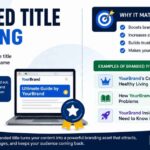
Branded title meaning refers to a permanent label placed on a vehicle’s title by a state motor vehicle agency to indicate that the car has experienced a significant event, such as a major accident, flood, fire, theft recovery, hail damage, or an insurance total loss. This designation alerts current and future buyers that the vehicle has a notable history that may affect its safety, value, insurance, financing, and resale potential.
If you’ve come across a used car advertised with a branded title, you may wonder whether it’s a hidden bargain or a costly mistake. The truth is that not every branded-title vehicle is a bad purchase, but every one deserves careful evaluation. Some vehicles receive a title brand after cosmetic hail damage, while others have extensive structural or flood damage that can create long-term reliability and safety concerns.
In this comprehensive guide, you’ll learn what a branded title means, why vehicles receive title brands, the different types of branded titles, how they compare with clean, salvage, and rebuilt titles, and what to consider before buying one. By the end, you’ll have the knowledge to make an informed decision rather than relying on assumptions or misleading dealership claims.
What Is a Branded Title?
A branded title is a vehicle title that has been permanently marked to indicate that the vehicle has experienced an event considered significant by the state where it is titled. Unlike a clean title, which shows no qualifying history requiring a title designation, a branded title provides important information about the vehicle’s past.
Think of a vehicle title as its official identity document. When a serious incident occurs, the appropriate state motor vehicle agency may apply a title brand to help protect future buyers by increasing transparency.
A title brand doesn’t automatically mean a vehicle is unsafe or undrivable. Instead, it serves as a warning that the car has a history requiring closer inspection before purchase.
Simple Definition in Plain English
In simple terms, a branded title means:
The vehicle has experienced a major event that permanently changes the information shown on its title, helping future owners understand its history before buying.
Depending on the circumstances, that event may involve:
- Severe accident damage
- Flood damage
- Fire damage
- Insurance total loss
- Theft recovery
- Hail damage
- Lemon law buyback
- Odometer rollback
- Other state-recognized incidents
Every title brand tells part of the vehicle’s story, which is why reviewing its vehicle history report and repair records is just as important as inspecting the car itself.
Why Vehicle Titles Get Branded
Many buyers assume a branded title only results from a serious crash. In reality, several different situations can lead to title branding.
Here are the most common reasons.
Major Collision Damage
One of the most frequent causes is a major accident. If repairing the vehicle would cost a substantial percentage of its market value, an insurance company may declare it a total loss. Depending on state regulations, the vehicle can receive a branded title even if it is later repaired.
Flood Damage
Floods can severely damage a vehicle’s:
- Electrical systems
- Engine components
- Transmission
- Interior
- Safety electronics
Because water damage often creates long-term problems that aren’t immediately visible, flood-damaged vehicles frequently receive a Flood Title or another applicable title brand.
Fire Damage
Vehicles affected by fire may suffer damage to:
- Wiring
- Structural components
- Interior materials
- Engine bay
- Electronic systems
Even after repairs, a fire-damaged vehicle may retain a branded title because of the extent of the original damage.
Theft Recovery
If a stolen vehicle is recovered after an insurance company has already paid a total-loss claim, the vehicle may receive a Theft Recovery brand depending on state regulations and the vehicle’s condition.
Hail Damage
Large hailstorms sometimes cause extensive cosmetic damage without affecting mechanical reliability.
These vehicles may receive a hail damage title brand, making them attractive to buyers who prioritize value over appearance.
Lemon Law Buyback
Some manufacturers repurchase vehicles because recurring defects couldn’t be repaired within a reasonable number of attempts under applicable lemon laws.
These vehicles may receive a Lemon Buyback title brand to inform future owners about the vehicle’s history.
Odometer Rollback
If authorities determine that a vehicle’s mileage has been altered fraudulently, an Odometer Rollback brand may be added to the title.
Mileage fraud can significantly affect:
- Vehicle value
- Maintenance expectations
- Buyer confidence
Junk or Non-Repairable Vehicles
Some vehicles are so severely damaged that they are considered unsuitable for rebuilding.
These may receive Junk, Non-Repairable, or similar brands, indicating they generally cannot legally return to normal road use.
How Does a Vehicle Receive a Branded Title?
Many buyers assume dealerships decide whether a car has a branded title. In reality, the process involves insurance companies, inspections, and state authorities.
Understanding this process makes the entire concept much easier.
Step 1: A Significant Event Occurs
A vehicle experiences a qualifying event such as:
- A severe collision
- Flood damage
- Fire
- Theft recovery
- Major hail damage
- Odometer fraud
Step 2: Damage Is Evaluated
The vehicle is inspected by an insurance adjuster or another qualified professional to determine the extent of the damage.
The evaluation typically considers:
- Repair costs
- Vehicle age
- Current market value
- Structural damage
- Safety concerns
Step 3: Insurance Company Determines Total Loss (If Applicable)
If repair costs exceed a threshold established by the insurer or state regulations, the vehicle may be classified as a total loss.
This doesn’t necessarily mean the vehicle cannot be repaired. It simply means repairing it may not be economically practical compared with its value before the incident.
Step 4: State Motor Vehicle Agency Applies a Title Brand
Once the required documentation is submitted, the Department of Motor Vehicles (DMV) or another state motor vehicle agency records the appropriate title brand.
The exact terminology varies between states, but the purpose remains the same: providing transparency about the vehicle’s history.
Step 5: The Vehicle May Be Repaired and Reinspected
Depending on the title brand and state requirements, the vehicle may:
- Be professionally repaired
- Undergo safety inspections
- Receive a rebuilt or reconstructed title
- Return to legal road use
However, the original title history generally remains part of the vehicle’s permanent record.
Common Types of Branded Titles Explained
Not every branded title indicates the same level of risk. Understanding the different title brands helps buyers make more informed decisions.
| Title Brand | Meaning | Typical Cause | Risk Level | Can It Return to the Road? |
|---|---|---|---|---|
| Salvage Title | Vehicle declared a total loss | Major accident or severe damage | High | Usually after repairs and inspection |
| Rebuilt Title | Previously salvage, now repaired | Successful reconstruction | Medium | Yes |
| Flood Title | Water damage | Flooding | High | Sometimes |
| Fire Damage Title | Fire-related damage | Vehicle fire | High | Sometimes |
| Lemon Buyback | Manufacturer repurchased vehicle | Repeated defects | Medium | Yes |
| Hail Damage Title | Extensive hail damage | Storm damage | Low to Medium | Yes |
| Theft Recovery | Stolen then recovered | Theft claim | Low to Medium | Yes |
| Odometer Rollback | Mileage altered | Fraud | High | Yes |
| Junk / Non-Repairable | Beyond repair | Extreme damage | Very High | Generally No |
Salvage Title
A salvage title usually indicates that an insurance company declared the vehicle a total loss because repairing it would cost too much compared to its value.
Contrary to popular belief, a salvage vehicle isn’t always beyond repair. However, it generally cannot be legally driven until repaired and inspected according to state requirements.
Rebuilt (or Reconstructed) Title
A rebuilt title means the vehicle once had a salvage title but has since been repaired and passed the inspections required for legal road use.
A rebuilt vehicle may be perfectly serviceable, but the quality of repairs can vary significantly. That’s why reviewing repair documentation, obtaining an independent mechanical inspection, and checking the vehicle history report are essential before purchasing.
Flood Title
Flood damage is often considered one of the riskiest title brands because water can affect nearly every part of a vehicle.
Hidden issues may include:
- Corroded wiring
- Electrical failures
- Mold growth
- Sensor malfunctions
- Engine and transmission problems
Even if the vehicle appears clean, flood damage can create expensive problems months or even years later.
Fire Damage Title
Vehicles affected by fire may suffer visible and hidden damage.
Heat can weaken:
- Structural components
- Electrical systems
- Rubber seals
- Safety equipment
Professional repairs are critical, but buyers should still verify repair records and request a thorough inspection before purchasing.
Lemon Buyback Title
A Lemon Buyback title indicates that the manufacturer repurchased the vehicle because it repeatedly failed to meet quality or reliability standards under applicable consumer protection laws.
Not every lemon buyback involves severe physical damage. Some issues may have been successfully repaired before the vehicle was resold.
Hail Damage Title
Unlike collision or flood damage, hail damage often affects a vehicle’s appearance more than its mechanical reliability.
Common damage includes:
- Dented body panels
- Broken glass
- Cosmetic roof damage
For buyers focused on affordability rather than aesthetics, these vehicles may present lower mechanical risk than other branded-title vehicles.
Theft Recovery Title
A theft recovery title usually means the vehicle was stolen and later recovered.
Some recovered vehicles have little or no damage, while others may have:
- Missing components
- Interior damage
- Electrical problems
- Vandalism
Each case should be evaluated individually rather than judged solely by the title brand.
Odometer Rollback Brand
Mileage fraud can significantly distort a vehicle’s value and maintenance history.
A vehicle with an Odometer Rollback brand requires especially careful investigation because inaccurate mileage affects:
- Wear and tear estimates
- Service schedules
- Resale value
- Buyer confidence
Junk or Non-Repairable Title
These titles generally indicate that the vehicle is not intended to return to public roads because the damage is considered too extensive.
Such vehicles are often sold for:
- Parts
- Scrap
- Recycling
For most buyers seeking reliable transportation, these vehicles are not practical purchase options.
Branded Title vs. Clean, Salvage, and Rebuilt Titles
Many buyers mistakenly use these terms interchangeably, but they represent different stages in a vehicle’s history. Understanding the distinctions can help you evaluate listings more confidently and avoid costly assumptions.
| Feature | Clean Title | Branded Title | Salvage Title | Rebuilt Title |
|---|---|---|---|---|
| Vehicle History | No qualifying title brand | Significant event recorded | Declared total loss | Previously salvage, then repaired |
| Road Legal | Yes | Depends on the specific brand | Usually No until repaired | Yes, after required inspections |
| Insurance Availability | Widely available | May vary by insurer and brand | Often limited | Usually available, though coverage options may differ |
| Financing Options | Typically straightforward | May be more restrictive | Rarely financed | Depends on the lender and vehicle condition |
| Resale Value | Highest | Reduced compared to clean title | Significantly reduced | Lower than clean title but often higher than salvage |
| Buyer Risk | Generally lower | Varies by title brand and repair quality | Higher | Moderate, depending on repairs |
A clean title doesn’t necessarily mean a vehicle has never been in an accident—it simply means it hasn’t received a title brand based on the applicable state criteria. Likewise, a branded title is a broad category that includes designations such as salvage, rebuilt, flood, lemon buyback, and others.
The most important takeaway is that the title brand tells you where to investigate further—it doesn’t tell the entire story. A professionally repaired rebuilt vehicle with complete documentation may be a better purchase than a poorly maintained clean-title vehicle with an undocumented accident history.
Is a Branded Title Always Bad?
One of the biggest misconceptions among used car buyers is that every branded title vehicle is a bad investment. In reality, the answer is no. A branded title simply tells you that the vehicle experienced a significant event in its past. It does not automatically determine the vehicle’s current condition, safety, or reliability.
For example, two cars may both carry a branded title, but one could have suffered only cosmetic hail damage while the other experienced severe flood damage that affected its electrical system. Although both are legally branded, the long-term risks are very different.
The key is to evaluate the cause of the title brand, the quality of repairs, the vehicle’s maintenance history, and its current condition rather than making a decision based solely on the title.
Situations Where a Branded Title May Be a Good Deal
A branded-title vehicle can be worth considering if:
- The repairs were performed professionally with supporting documentation.
- A trusted mechanic confirms the vehicle is structurally sound.
- The damage was primarily cosmetic, such as hail dents.
- The vehicle has a complete vehicle history report and transparent ownership records.
- The asking price reflects the reduced resale value.
- You plan to keep the vehicle for many years instead of selling it soon.
For buyers looking to maximize value on a limited budget, some branded-title vehicles can offer significant savings without sacrificing reliability.
Situations Where You Should Walk Away
Some branded-title vehicles carry much greater risk than others.
Consider avoiding a vehicle if:
- It has extensive flood damage affecting electronics.
- There is evidence of frame damage that wasn’t properly repaired.
- Repair invoices are incomplete or unavailable.
- The seller refuses an independent inspection.
- The VIN history contains inconsistent information.
- There are signs of title washing or undisclosed accidents.
- Multiple warning lights remain illuminated after repairs.
- Airbags were deployed but not properly replaced.
Remember, a low purchase price doesn’t always mean a good value. Expensive repairs, insurance limitations, and reduced resale value can quickly erase any initial savings.
Expert Tip: Focus on the vehicle’s condition—not just its title. A well-repaired rebuilt vehicle with detailed records can sometimes be a safer purchase than a neglected clean-title vehicle.
Learn More: PFMS Full Form
How a Branded Title Affects Your Ownership Experience
Buying a branded-title vehicle affects much more than the purchase price. It can influence insurance, financing, resale value, registration, and even your peace of mind.
Understanding these factors before buying helps prevent costly surprises later.
Vehicle Safety
Safety depends primarily on how well the vehicle was repaired, not simply on the title brand.
Questions to consider include:
- Was the repair completed by a qualified repair facility?
- Were original or approved replacement parts used?
- Were safety systems such as airbags restored correctly?
- Has the vehicle passed required inspections?
Professional repairs supported by documentation generally inspire greater confidence than undocumented repairs.
Reliability
Some title brands have a greater impact on long-term reliability.
For example:
- Cosmetic hail damage may have little effect on mechanical performance.
- Flood damage can create electrical issues months or years later.
- Fire damage may weaken wiring and electronic systems.
- Major collision damage may affect alignment or structural integrity if repairs were inadequate.
A thorough inspection is essential regardless of the title brand.
Insurance Coverage
Many buyers ask:
Can you insure a branded title vehicle?
In many cases, yes, but coverage options can vary.
Some insurers may:
- Offer liability coverage only.
- Require additional inspections.
- Adjust how they determine the vehicle’s value.
- Limit comprehensive or collision coverage depending on the vehicle’s history.
Before purchasing, request insurance quotes so you understand potential costs and coverage limitations.
Financing Options
Financing can also be more challenging.
Some lenders are cautious because branded-title vehicles often have:
- Lower market value.
- Greater resale uncertainty.
- Higher perceived risk.
Loan approval may depend on factors such as:
- Vehicle age.
- Repair documentation.
- Current market value.
- Buyer credit profile.
- Lender policies.
If financing is important, confirm eligibility before negotiating the purchase.
Registration Requirements
Registration requirements vary by state.
Depending on the title brand, a vehicle may need:
- Additional inspections.
- Safety certification.
- Documentation of repairs.
- Updated title paperwork.
Always verify local requirements with your state’s motor vehicle agency before purchasing.
Warranty Eligibility
Manufacturer warranties may not always continue after a vehicle receives certain title brands.
Some aftermarket warranty providers may also have restrictions.
Before purchasing, ask:
- Is any warranty still active?
- Are repairs covered?
- Are there exclusions related to the title brand?
Future Resale Value
A branded title almost always affects future resale value.
Many buyers hesitate because they worry about:
- Hidden damage.
- Insurance issues.
- Financing restrictions.
- Unknown repair quality.
Although depreciation varies by vehicle and market conditions, branded-title vehicles generally sell for less than similar clean-title vehicles.
Ownership Impact Comparison
| Factor | Clean Title | Branded Title |
|---|---|---|
| Purchase Price | Higher | Usually Lower |
| Insurance | Typically straightforward | May require additional review |
| Financing | Easier | Sometimes more restrictive |
| Resale Value | Higher | Lower |
| Buyer Confidence | Higher | Depends on documentation |
| Inspection Importance | Recommended | Essential |
Should You Buy a Car With a Branded Title?
This is the question most people really want answered.
The honest answer is:
A branded-title vehicle can be a smart purchase—but only when you fully understand why it received the title brand, verify the quality of repairs, and buy it at a price that reflects its history.
There’s no universal yes-or-no answer because every vehicle is different.
Advantages
Buying a branded-title vehicle may offer several benefits:
- Lower purchase price.
- Better-equipped vehicle for the same budget.
- Opportunity to own a newer model.
- Reduced depreciation after purchase.
- Good value for long-term ownership.
For buyers willing to perform careful research, branded-title vehicles can represent worthwhile opportunities.
Disadvantages
Potential drawbacks include:
- Lower resale value.
- Insurance limitations.
- Financing restrictions.
- Reduced buyer interest when selling.
- Greater need for inspections.
- Potential hidden damage.
- Increased uncertainty about repair quality.
These risks should be considered before making a purchase.
Who Might Benefit From Buying One?
A branded-title vehicle may be suitable for:
- Experienced used-car buyers.
- Buyers paying cash.
- Mechanics or automotive enthusiasts.
- Families seeking maximum value.
- Buyers planning long-term ownership.
These buyers often prioritize condition over title status.
Who Should Avoid One?
A branded-title vehicle may not be ideal for:
- First-time buyers.
- Buyers relying on financing.
- People who change vehicles frequently.
- Buyers uncomfortable evaluating repairs.
- Anyone seeking the highest resale value.
For these buyers, a clean-title vehicle may offer greater peace of mind.
How to Inspect a Branded-Title Vehicle Before Buying
Inspection is where smart buyers separate good deals from expensive mistakes.
Never rely solely on photographs or the seller’s description.
Step 1: Verify the Vehicle History
Begin by reviewing:
- Vehicle Identification Number (VIN)
- Vehicle history report
- Previous ownership records
- Accident history
- Insurance claims
- Service history
Look for consistency across all documents.
Step 2: Review Repair Records
Request documentation showing:
- Parts replaced.
- Repair facility information.
- Dates of repairs.
- Inspection certificates.
- Maintenance performed after repairs.
Detailed records increase confidence in the quality of repairs.
Step 3: Arrange an Independent Mechanical Inspection
A qualified mechanic should inspect:
- Engine
- Transmission
- Suspension
- Steering
- Brakes
- Cooling system
- Electrical systems
- Structural components
An independent inspection provides an objective assessment beyond the seller’s claims.
Step 4: Check Structural Components
Pay particular attention to:
- Frame rails.
- Weld quality.
- Suspension mounting points.
- Panel alignment.
- Door operation.
- Hood and trunk fitment.
Poor alignment may indicate previous structural damage.
Step 5: Inspect Safety Systems
Verify that:
- Airbags function correctly.
- Seat belts lock properly.
- Warning lights operate normally.
- Driver assistance systems perform as expected.
Safety systems should never be overlooked.
Step 6: Test Electronics
Modern vehicles rely heavily on electronics.
Check:
- Infotainment system.
- Climate controls.
- Power windows.
- Cameras.
- Parking sensors.
- Navigation.
- Charging ports.
- Lighting systems.
Electrical issues are particularly common after flood damage.
Step 7: Look for Signs of Flood Damage
Flood-damaged vehicles may show:
- Rust beneath seats.
- Mud in hidden areas.
- Water stains.
- Mold odors.
- Corroded wiring.
- Moisture inside lights.
- Electrical malfunctions.
These warning signs deserve careful investigation.
Questions to Ask the Seller
Before making an offer, ask:
- Why did the vehicle receive a branded title?
- Who completed the repairs?
- Are repair invoices available?
- Has the vehicle passed all required inspections?
- Has it experienced any additional accidents?
- Can I arrange an independent inspection?
- Is there a warranty on the repairs?
- Why are you selling the vehicle?
Transparent answers often indicate a trustworthy seller.
How Much Should a Branded-Title Vehicle Cost?
One of the biggest mistakes buyers make is assuming every branded-title vehicle should sell at the same discount.
Pricing depends on several factors, including:
- Type of title brand.
- Severity of the original damage.
- Quality of repairs.
- Vehicle age.
- Mileage.
- Maintenance history.
- Current market demand.
- Local market conditions.
For example, a professionally repaired vehicle with cosmetic hail damage may retain much more value than one with extensive flood damage.
Factors That Influence Value
| Factor | Greater Impact on Value |
|---|---|
| Flood damage | Very High |
| Structural frame damage | Very High |
| Cosmetic hail damage | Low |
| Professional repair documentation | Increases buyer confidence |
| Independent inspection | Reduces perceived risk |
| Complete maintenance history | Supports higher value |
| Strong market demand | Helps resale |
When negotiating, compare the branded-title vehicle with similar clean-title vehicles while accounting for its documented history, repair quality, and future resale potential.
Can You Insure and Finance a Branded-Title Vehicle?
Many buyers assume insurance and financing are impossible with a branded title. In reality, the answer is more nuanced.
Insurance Considerations
Insurance availability depends on factors such as:
- The specific title brand.
- The insurer’s underwriting guidelines.
- The vehicle’s condition.
- Repair documentation.
- State regulations.
Some companies may provide only liability coverage, while others may also offer comprehensive and collision coverage after evaluating the vehicle.
Obtaining quotes before purchase can help you avoid unexpected costs.
Financing Considerations
Some lenders finance branded-title vehicles, while others limit or decline these loans because of lower resale value and increased risk.
Approval may depend on:
- Credit profile.
- Loan amount.
- Vehicle age.
- Appraised value.
- Repair quality.
- Documentation provided.
If financing is essential, discuss the vehicle with your lender before finalizing the purchase.
How to Check Whether a Vehicle Has a Branded Title
Never rely solely on a seller’s description. Always verify a vehicle’s history using multiple sources.
Review the Title Document
Carefully read the title for any brand designation, such as:
- Salvage
- Rebuilt
- Flood
- Lemon Buyback
- Theft Recovery
- Junk
- Odometer Rollback
The exact terminology may vary depending on the issuing state.
Verify the VIN
The Vehicle Identification Number (VIN) is the vehicle’s unique identifier and can help you match the title with available history records.
Ensure the VIN is consistent across:
- The dashboard
- Driver’s door jamb
- Title documents
- Registration paperwork
- Service records
Obtain a Vehicle History Report
A detailed history report can reveal:
- Previous accidents.
- Insurance claims.
- Title brands.
- Ownership history.
- Reported mileage.
- Service records.
Comparing multiple sources provides a more complete picture.
Confirm Information With the State Motor Vehicle Agency
If anything appears inconsistent, verify the title information with the appropriate state motor vehicle agency before completing the purchase.
Beware of Title Washing
Title washing occurs when someone attempts to hide or remove a vehicle’s branded history by transferring it through jurisdictions with different title-branding practices or exploiting reporting gaps.
Warning signs include:
- Missing ownership records.
- Inconsistent mileage.
- Recently issued titles with limited history.
- Conflicting vehicle reports.
- Sellers unwilling to provide documentation.
A careful review of the VIN, title records, repair history, and independent inspections can significantly reduce the risk of purchasing a vehicle with undisclosed problems.
See More: Lily of the Valley Meaning
State Laws and Branded Titles: Why Rules Aren’t Always the Same
One of the most overlooked aspects of branded title meaning is that title-branding laws are not identical in every state. While the purpose is generally the same—to disclose a vehicle’s significant history—the terminology, inspection requirements, and procedures can vary.
For example, one state may use the term “rebuilt title,” while another may refer to the same concept as “reconstructed title.” Likewise, the percentage of damage required for an insurance company to declare a vehicle a total loss may differ depending on state regulations.
Because of these differences, it’s always wise to verify a vehicle’s status with the appropriate state motor vehicle agency before making a purchase.
Why State Differences Matter
State-specific rules can affect:
- Title branding terminology
- Inspection requirements
- Registration procedures
- Documentation needed after repairs
- Transfer of ownership
- Rebuilt vehicle certification
If you’re purchasing a vehicle from another state, don’t assume its title history will be interpreted exactly the same in your state.
Expert Tip: Before buying an out-of-state vehicle, confirm how your local motor vehicle agency handles title transfers and branded-title registrations.
Real Buyer Scenarios: When a Branded Title Makes Sense—and When It Doesn’t
No two branded-title vehicles are exactly alike. Looking at real-world situations helps you understand why evaluating the cause of the title brand is far more important than judging the label alone.
Scenario 1: Professionally Repaired Collision Damage
Vehicle: Three-year-old sedan
Title Brand: Rebuilt
History:
The car was declared a total loss after a front-end collision. It was repaired by a reputable repair facility using documented replacement parts and later passed all required inspections.
Buying Decision
This may be a reasonable purchase if:
- Repair documentation is complete.
- The frame is structurally sound.
- Airbags were properly replaced.
- A qualified mechanic confirms repair quality.
- The asking price reflects the reduced resale value.
Scenario 2: Flood-Damaged SUV
Vehicle: Mid-size SUV
Title Brand: Flood
History:
The vehicle sat in standing water during a major storm. Although cleaned and repaired, electrical components continue to experience intermittent problems.
Buying Decision
Proceed with extreme caution.
Flood damage can affect:
- Wiring harnesses
- Electronic control modules
- Sensors
- Airbag systems
- Corrosion resistance
Even if the SUV appears clean, hidden problems may develop months later.
Scenario 3: Theft Recovery Vehicle
Vehicle: Luxury crossover
Title Brand: Theft Recovery
History:
The vehicle was stolen, recovered shortly afterward, and inspected. Damage was limited to broken windows and minor cosmetic repairs.
Buying Decision
This may present a lower level of risk than many buyers assume.
If:
- Repairs are documented,
- No structural damage occurred,
- The VIN history is consistent,
the vehicle may represent good value.
Scenario 4: Cosmetic Hail Damage
Vehicle: Pickup truck
Title Brand: Hail Damage
History:
A severe hailstorm dented the hood, roof, and doors, but the engine, suspension, and structural components remained unaffected.
Buying Decision
For buyers who don’t mind cosmetic imperfections, this can be one of the safest branded-title situations because the mechanical systems are often unaffected.
Common Mistakes Buyers Make
Many expensive purchasing mistakes happen because buyers focus only on the discounted price instead of evaluating the complete picture.
Avoid these common errors.
Buying Based Only on Price
A vehicle that’s significantly cheaper than similar models isn’t automatically a bargain.
Always ask why it’s cheaper.
Skipping a Professional Inspection
Never assume repairs were completed correctly.
An independent inspection can identify:
- Structural damage
- Frame alignment issues
- Electrical problems
- Hidden accident repairs
- Flood damage
Ignoring Repair Documentation
Complete repair records tell an important story.
Look for:
- Repair invoices
- Parts receipts
- Inspection certificates
- Maintenance history
The more documentation available, the easier it is to assess repair quality.
Assuming Every Branded Title Is Equally Risky
Not all title brands represent the same level of concern.
For example:
- Cosmetic hail damage usually carries less long-term risk than flood damage.
- A professionally rebuilt vehicle may be a better purchase than a neglected clean-title car.
Evaluate the individual vehicle—not just its title.
Forgetting About Future Resale
Many buyers focus only on today’s purchase price.
Consider:
- Future buyer demand.
- Insurance availability.
- Trade-in opportunities.
- Long-term depreciation.
Planning ahead helps you avoid surprises when it’s time to sell.
Trusting Verbal Promises
If a seller says:
- “It’s just a minor accident.”
- “Everything was fixed.”
- “Don’t worry about the title.”
Ask for documentation.
Good sellers provide evidence—not just reassurance.
Expert Checklist Before Buying a Branded-Title Vehicle
Before signing any paperwork, work through this checklist.
✓ Confirm the Title Brand
Understand exactly why the title received its designation.
✓ Review the Vehicle History
Check:
- Previous owners
- Accident history
- Insurance claims
- Reported mileage
- Service records
✓ Verify Repair Documentation
Request:
- Repair invoices
- Parts lists
- Inspection certificates
- Photos taken during repairs (if available)
✓ Schedule an Independent Inspection
Have a trusted mechanic inspect:
- Engine
- Transmission
- Suspension
- Frame
- Electronics
- Safety systems
✓ Research Insurance Options
Contact your insurance provider before purchasing.
Ask about:
- Coverage availability
- Premium estimates
- Comprehensive coverage
- Collision coverage
✓ Discuss Financing
If financing is required, confirm lender approval before negotiating.
✓ Compare Market Prices
Compare the vehicle against:
- Similar clean-title vehicles.
- Similar branded-title vehicles.
- Current local market prices.
Negotiate Based on Facts
Use:
- Repair history.
- Inspection findings.
- Vehicle condition.
- Market value.
Rather than relying only on the title brand.
Buy Only When the Overall Value Makes Sense
A branded-title vehicle should provide meaningful savings that justify the additional research, potential insurance limitations, and lower resale value.
Frequently Asked Questions
What does a branded title mean on a car?
A branded title means the vehicle has been permanently marked by a state motor vehicle agency because it experienced a significant event, such as a major accident, flood, fire, theft recovery, or insurance total loss.
Is a branded title permanent?
In most cases, yes. While a vehicle’s status may change from salvage to rebuilt after repairs and inspections, the vehicle’s title history generally remains part of its permanent record.
Is every branded-title vehicle unsafe?
No.
Safety depends on:
- The type of damage.
- Repair quality.
- Inspection results.
- Ongoing maintenance.
A properly repaired vehicle may be reliable, while a poorly repaired one may not.
What’s the difference between a branded title and a salvage title?
A branded title is a broad category that includes several designations such as salvage, rebuilt, flood, lemon buyback, and others.
A salvage title is one specific type of branded title.
Is a rebuilt title considered a branded title?
Yes.
A rebuilt title indicates that a vehicle previously received a salvage title but was repaired and passed the required inspections.
Can you insure a branded-title vehicle?
Usually, yes.
However, available coverage depends on:
- The title brand.
- Vehicle condition.
- Insurance company policies.
- State regulations.
Some insurers may place restrictions on comprehensive or collision coverage.
Can you finance a branded-title car?
Some lenders finance branded-title vehicles, while others may decline because of increased lending risk.
Approval depends on:
- Buyer qualifications.
- Vehicle condition.
- Documentation.
- Market value.
How much does a branded title reduce a vehicle’s value?
There’s no universal percentage because depreciation varies based on:
- Title brand.
- Damage severity.
- Repair quality.
- Vehicle demand.
- Local market conditions.
Professionally repaired vehicles with cosmetic damage often retain more value than those with severe structural or flood damage.
Is it legal to drive a branded-title vehicle?
It depends on the specific title brand.
For example:
- A rebuilt vehicle that has passed required inspections is generally road legal.
- A junk or non-repairable vehicle generally cannot be legally driven on public roads.
Always verify your state’s requirements.
Can you trade in a branded-title vehicle?
Yes.
However, dealerships may offer less because branded-title vehicles usually have lower market demand and resale value.
How do you check if a vehicle has a branded title?
You should:
- Review the title.
- Verify the VIN.
- Obtain a vehicle history report.
- Review repair documentation.
- Confirm information with the appropriate state motor vehicle agency.
What is title washing?
Title washing is the practice of attempting to hide or obscure a vehicle’s branded history by exploiting differences in title reporting or transferring ownership between jurisdictions.
Carefully reviewing documentation and vehicle history helps reduce this risk.
Which branded title carries the highest risk?
Although every situation is different, flood titles, junk/non-repairable titles, and vehicles with severe structural damage generally require the greatest caution because they may involve hidden long-term problems.
Should first-time buyers avoid branded-title cars?
Not necessarily, but first-time buyers should proceed carefully.
If you lack experience evaluating vehicle repairs or negotiating based on title history, a clean-title vehicle may provide greater confidence and fewer unexpected challenges.
Final Thoughts: Make an Informed Decision, Not Just a Cheap Purchase
Understanding branded title meaning goes far beyond learning a simple definition. A branded title tells you that a vehicle has experienced an important event in its history, but it doesn’t automatically determine whether the vehicle is safe, reliable, or worth buying.
The smartest buyers evaluate the entire picture—including the type of title brand, repair quality, vehicle history report, VIN verification, inspection results, insurance options, financing availability, and expected resale value. A professionally repaired rebuilt title vehicle with complete documentation may offer excellent value, while a poorly repaired flood title vehicle could lead to years of expensive repairs.
Before making a purchase:
- Research the vehicle’s complete history.
- Verify all repair records and documentation.
- Schedule an independent inspection.
- Compare prices with similar clean-title vehicles.
- Confirm insurance and financing options before signing.
A branded-title vehicle isn’t automatically a bargain—or a bad investment. By focusing on facts instead of assumptions, you can confidently decide whether a particular vehicle fits your budget, driving needs, and long-term ownership goals.