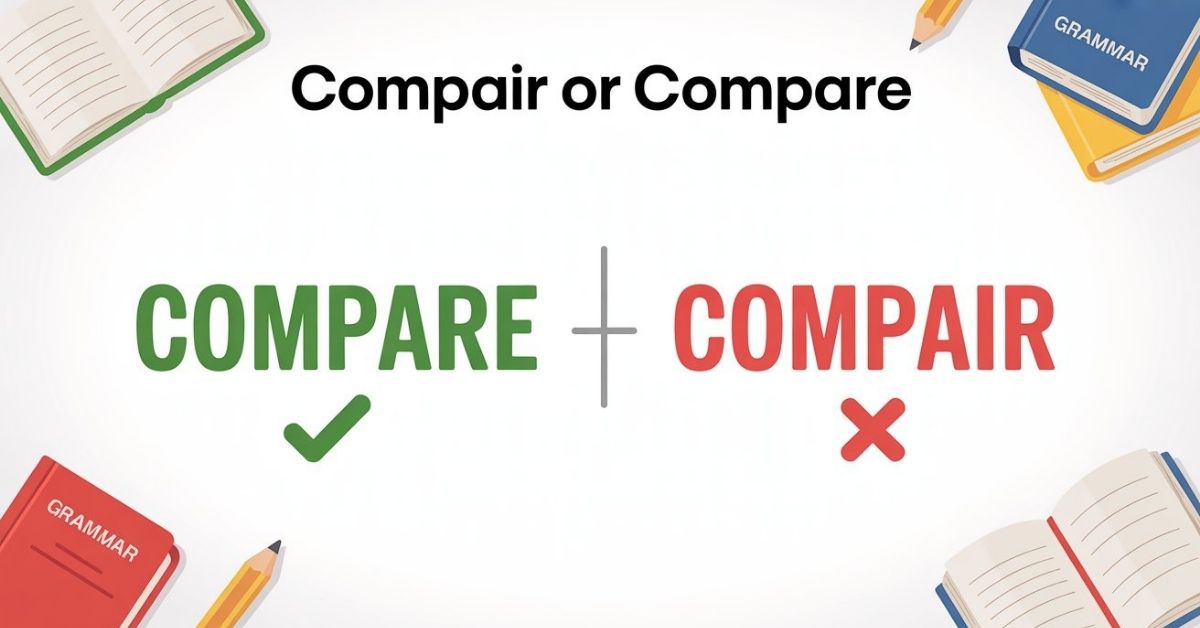
Compair or compare — which spelling should you actually use? The correct spelling is “compare.” The word “compair” is a common spelling mistake and is not recognized as a correct English word in modern dictionaries. The term “compare” means to examine the similarities and differences between two or more things. If you are searching for the compair or compare meaning, this guide will explain everything in simple English with examples, grammar rules, pronunciation tips, and common spelling mistakes.
Whether you are a student, writer, English learner, or professional, understanding the correct spelling and usage of compare can improve your writing clarity and grammar accuracy.
Is It “Compair” or “Compare”?
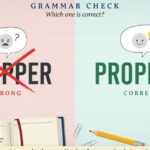
The correct spelling is “compare.” The word “compair” is incorrect and considered a typo or spelling confusion.
Here is a quick comparison:
| Word | Correct? | Meaning |
|---|---|---|
| Compare | ✅ Yes | To examine similarities or differences |
| Compair | ❌ No | Incorrect spelling of compare |
Many people type compair because English pronunciation can sometimes be confusing. Since “compare” sounds similar to words ending in “air,” people mistakenly replace “pare” with “pair.”
However, in proper English grammar and writing, only “compare” is correct.
Compair or Compare Meaning Explained
Understanding the compair or compare meaning is important if you want to avoid grammar mistakes in writing.
The word “compare” is a verb used when examining two or more things to identify their similarities, differences, or relationships.
Definition of Compare
According to standard English dictionaries, compare means:
“To examine how things are similar or different.”
Simple Examples
- Please compare the two reports.
- Teachers often compare student performance.
- It is difficult to compare these products fairly.
The word “compair” has no accepted meaning in modern English. It is simply a spelling mistake.
What Does “Compare” Mean in English?
The word compare is commonly used in:
- Everyday conversation
- Academic writing
- Business communication
- Research papers
- Product reviews
- Grammar exercises
Compare Meaning in Simple English
When you compare things, you look at:
- Similarities
- Differences
- Strengths
- Weaknesses
For example:
- Comparing phones
- Comparing prices
- Comparing writing styles
- Comparing products
Academic Meaning
In schools and universities, students often compare ideas, books, theories, or historical events.
Professional Meaning
In business communication, professionals compare:
- Sales reports
- Marketing performance
- Company growth
- Product features
Why “Compair” Is Incorrect
The spelling “compair” is incorrect because it does not follow the accepted spelling rules for the English verb compare.
There are several reasons behind this common spelling confusion.
1. Pronunciation Confusion
Many people hear the ending sound “pare” as “pair.”
2. Fast Typing Errors
Typing quickly can lead to accidental spelling mistakes.
3. English Learning Difficulties
English learners often spell words based on pronunciation rather than dictionary spelling.
4. Common Misspellings in English
English contains many confusing spellings, such as:
- trainning or training
- finalised or finalized
- camouflage or camoflauge
Key Differences
Understanding the difference between these two spellings can improve your grammar and proofreading skills.
| Feature | Compare | Compair |
|---|---|---|
| Correct English Word | ✅ Yes | ❌ No |
| Dictionary Recognition | ✅ Yes | ❌ No |
| Used in Professional Writing | ✅ Yes | ❌ No |
| Grammar Correct | ✅ Yes | ❌ No |
| Pronunciation | kuhm-PAIR | Incorrect |
| Part of Speech | Verb | None |
This comparison table helps search engines and readers quickly understand the correct usage.
How to Pronounce “Compare” Correctly
Correct pronunciation is another important part of English language learning.
IPA Pronunciation
/kəmˈpeər/
Simple Pronunciation
kuhm-PAIR
The second syllable receives the strongest stress.
Syllable Breakdown
com + pare
Common Pronunciation Mistakes
Some people incorrectly pronounce the ending as:
- “pair”
- “pear”
- “par”
The correct pronunciation still uses the official spelling compare.
How to Use “Compare” in Sentences
Learning sentence examples helps improve vocabulary, grammar correction, and writing confidence.
Everyday English Examples
- I like to compare prices before shopping.
- Parents often compare schools for their children.
- We should not compare ourselves to others constantly.
Academic Writing Examples
- The essay will compare two historical events.
- Students must compare both research methods carefully.
- The article compares modern and traditional education systems.
Business Communication Examples
- Managers compare monthly sales reports.
- Analysts compare market trends every quarter.
- Companies compare customer feedback to improve services.
Using sentence examples naturally improves understanding of word usage and English grammar.
Compare vs Contrast: What’s the Difference?
Many people confuse compare and contrast because they are often used together.
Compare Meaning
To find similarities and differences.
Contrast Meaning
To focus mainly on differences.
Example
| Word | Meaning |
|---|---|
| Compare | Look at similarities and differences |
| Contrast | Focus mainly on differences |
Example Sentences
- Compare the two phones based on battery life.
- Contrast the designs of both products.
Common Spelling Mistakes Similar to “Compare”
English contains many confusing words and spelling errors.
Here are examples similar to compair or compare:
| Incorrect | Correct |
|---|---|
| Compair | Compare |
| Trainning | Training |
| Camoflauge | Camouflage |
| Finalised | Finalized |
| Writting | Writing |
| Recieve | Receive |
Why People Spell “Compare” as “Compair”
There is actually a psychological reason behind this typo.
Sound-Based Spelling
People often spell words according to how they sound rather than how they are written.
For example:
- compare → sounds like “compair”
- receive → sounds like “recieve”
This is called phonetic spelling confusion.
English Is Not Fully Phonetic
English vocabulary contains many irregular spelling patterns, which creates confusion for:
- Beginners
- Students
- ESL learners
- Fast typists
Easy Tricks to Remember the Correct Spelling
Simple memory tricks can help you avoid spelling mistakes.
Trick #1: Remember “Pare”
The word compare ends with “pare,” not “pair.”
Think of:
- com + pare
Trick #2: Link It to “Comparison”
The word “comparison” also uses “par.”
- compare
- comparison
This helps reinforce correct spelling.
Trick #3: Read More English Content
Reading books, articles, and blogs improves vocabulary naturally.
Synonyms and Antonyms of “Compare”
Learning synonyms and antonyms improves language usage and writing quality.
Synonyms of Compare
- evaluate
- analyze
- examine
- assess
- contrast
- review
Antonyms of Compare
- ignore
- separate
- overlook
- disconnect
These vocabulary variations help improve writing skills and semantic richness.
Grammar Rules for Using “Compare”
The word compare is a verb.
Verb Forms of Compare
| Form | Example |
|---|---|
| Base Verb | compare |
| Past Tense | compared |
| Present Participle | comparing |
| Past Participle | compared |
Examples
- I compare products online.
- She compared the results yesterday.
- They are comparing prices now.
Learn More: Purposed vs Proposed
Compare in Academic Writing
The word compare is widely used in education.
Common Academic Uses
Students compare:
- Books
- Research studies
- Scientific theories
- Historical events
- Literary characters
Example
“Compare the political systems of two countries.”
Compare in Professional Writing
In business and professional communication, compare is equally important.
Professionals compare:
- Financial reports
- Marketing campaigns
- Product performance
- Business strategies
Real-World Example
A company may compare customer satisfaction scores before launching a new product update.
This makes compare an essential word in professional English communication.
Case Study: How One Small Spelling Mistake Changes Professional Writing
Imagine sending this email:
❌ “Please compair both reports.”
The sentence instantly looks unprofessional because “compair” is incorrect.
Now look at the corrected version:
✅ “Please compare both reports.”
The second sentence appears polished, professional, and grammatically accurate.
This simple example shows why spelling accuracy matters in:
- Academic writing
- Emails
- Blogging
- Business communication
Is “Compair” Ever a Correct Word?
No. The spelling “compair” is not considered correct in modern English dictionaries.
Search engines, grammar tools, and proofreading software automatically recognize it as a typo.
If you type “compair” into many search engines, they often suggest:
“Did you mean compare?”
This confirms that “compare” is the accepted spelling.
Common Grammar and Vocabulary Tips
Improving your English writing requires attention to:
- spelling rules
- pronunciation
- proofreading
- grammar correction
- vocabulary building
Helpful Writing Habits
- Read regularly
- Use grammar checkers
- Proofread carefully
- Learn common misspellings
- Practice sentence writing
Frequently Asked Questions
Is Compair a Real Word?
No, compair is not a recognized English word. It is a spelling mistake of compare.
Which Is Correct: Compair or Compare?
The correct spelling is compare.
What Does Compare Mean?
Compare means to examine similarities or differences between two or more things.
How Do You Spell Compare Correctly?
The correct spelling is:
C-O-M-P-A-R-E
Why Do People Write Compair?
People often spell compare as compair because of pronunciation confusion and phonetic spelling habits.
Is Compare a Verb?
Yes. Compare is a verb in English grammar.
How Do You Use Compare in a Sentence?
Example:
“Please compare both products before buying.”
What Is the Difference Between Compare and Contrast?
Compare examines similarities and differences, while contrast mainly focuses on differences.
Final Thoughts:
If you were confused about compair or compare, the answer is simple: “compare” is the correct spelling, while “compair” is incorrect.
Understanding the compair or compare meaning helps improve:
- English grammar
- Writing accuracy
- Vocabulary
- Professional communication
- Academic writing
The next time you write this word, remember:
Compare = Correct Compair = Incorrect
By learning the proper spelling, pronunciation, grammar rules, and sentence examples, you can communicate more clearly and confidently in English.